

Pelvic pain after mesh surgery is a significant concern for women who have undergone mesh implantation for pelvic organ prolapse or incontinence. This article is for women experiencing pelvic pain after mesh surgery, their families, and healthcare providers seeking to understand causes, diagnosis, and management options. Chronic pelvic pain after mesh surgery can significantly impact quality of life and requires specialized care. This topic matters because persistent pain and related complications can affect daily activities, relationships, and emotional well-being, making timely recognition and expert management essential.
What You’ll Gain from This Article
- Clear understanding of why surgical mesh causes chronic pelvic pain
- Step-by-step diagnostic approaches to identify mesh complications
- Complete overview of treatment options from physical therapy to surgical management
- Knowledge of when and how to pursue legal action against mesh manufacturers
- Evidence-based alternatives to mesh for treating pelvic floor disorders
Pelvic Pain After Mesh Surgery Implantation
Mesh implantation is a pelvic reconstructive surgery commonly used to treat various medical conditions, including hernias, pelvic organ prolapse, and stress urinary incontinence. Pain is a common part of the healing process after any surgical procedure, including mesh implantation. As your body heals, it’s normal to experience discomfort, soreness, or pain at the surgical site. This is a natural response to surgery and should subside over time.
However, chronic pelvic pain, painful intercourse, urinary difficulties, and abnormal vaginal bleeding are key symptoms associated with mesh complications post-surgery. Common symptoms of pelvic pain related to mesh surgery include:
- Chronic pelvic pain
- Dyspareunia (painful intercourse)
- Vaginal discharge or bleeding
- Urinary dysfunction
Pelvic pain following mesh surgery can be due to complications like erosion, contraction, or nerve involvement, with key symptoms including chronic pain and pain during intercourse. Pelvic pain after mesh surgery for prolapse or incontinence can be caused by nerve entrapment or damage, scar tissue formation, mesh erosion into nearby organs, and contraction or shrinkage of the mesh. Nerve injury during surgery may lead to chronic “burning” or “electrical” pain due to irritation or damage to pelvic nerves.
Your clitoris, labia, vagina, urethra, perineum, anus, or rectum may experience scorching, electric shock, shooting, hurting, itching, or a raw sensation after female pelvic floor surgery. Because of your vaginal pain, you may find it difficult to sit or walk. You can also have bladder or bowel disorders or leaks. This inflammation might occur without causing significant discomfort. There may be pain associated with sex or excitement. At times, the affected region may feel numb.
You may feel pain in your buttocks, legs, hips, and feet. This is because your spinal cord supplies the skin in this area, and your brain ‘perceives’ the pain in the skin of your legs, feet, and buttocks as the same.
Mesh erosion into organs, including the bladder, rectum, or bowel, is a rare complication. Surgery may be needed to remove the mesh or correct other complications as they can occur at times after mesh placement. Complete mesh removal does not guarantee resolution of pain and may carry risks of recurrent prolapse or incontinence.
If you are experiencing persistent pelvic pain after mesh implantation, it’s crucial to consult your healthcare provider. They may conduct further examinations, such as physical examination or imaging studies, to determine the cause of the pain and recommend appropriate treatment options, including physical therapy, pain management strategies, mesh removal, or other surgical interventions. Management of complications from mesh surgery may include medications, physical therapy, and surgical intervention if conservative treatments fail. Treatment options for pelvic pain after mesh surgery include conservative management and surgical removal of the mesh. It’s important to communicate your symptoms and concerns openly with your healthcare team to ensure you receive the necessary care and support.
Transitioning from the general overview of pelvic pain after mesh surgery, the next section will explore the underlying mechanisms and specific causes of mesh-related pelvic pain.
Understanding Mesh-Related Pelvic Pain
Chronic pelvic pain following mesh surgery differs fundamentally from normal post-operative discomfort. While surgical site tenderness typically resolves within 4-6 weeks, mesh-related pain persists or worsens over time as the body reacts to the foreign material. This pain results from ongoing inflammatory responses, tissue fibrosis, and mechanical distortion of pelvic anatomy.
Pelvic pain after mesh surgery for prolapse or incontinence can be caused by nerve entrapment or damage, scar tissue formation, mesh erosion into nearby organs, and contraction or shrinkage of the mesh.
The critical timeline marker is 6-12 weeks post-surgery. Pain persisting beyond this window indicates potential mesh complications requiring specialized evaluation rather than routine post-surgical management.
Types of Mesh-Related Pain
- Mesh erosion pain presents as sharp, stabbing sensations when synthetic mesh protrudes through the vaginal wall or into adjacent organs like the bladder, rectum, or urethra. Women often describe cutting or scratching sensations, particularly during intercourse or bowel movements. Vaginal mesh erosion is the most commonly reported mesh-specific complication.
- Mesh contraction pain manifests as pulling or tightening sensations throughout the pelvic region. As polypropylene mesh shrinks—sometimes by 30% or more—it distorts surrounding tissue architecture, creating constant tension on the vaginal wall, pelvic floor muscles, and ligaments. This contraction can permanently alter vaginal dimensions.
- Nerve entrapment pain produces shooting, burning, or electric-shock sensations radiating to the groin, thighs, or perineum. When mesh placement or subsequent shrinkage compresses pelvic nerves, women experience neuropathic pain patterns that may include numbness, tingling, or hypersensitivity. Groin pain is a key symptom to watch for during post-surgical follow-ups, as it may indicate complications requiring medical attention.
Transitioning from the mechanisms of mesh-related pain, the next section will provide an overview of pelvic floor anatomy and function to help contextualize these complications.
Pelvic Floor Anatomy and Function
The pelvic floor is a vital network of muscles, ligaments, and connective tissue that forms the foundation of support for the female pelvic organs—including the bladder, uterus, and rectum. These pelvic floor muscles, often referred to as the levator ani, create a hammock-like structure at the base of the pelvis. Their coordinated action is essential for maintaining continence, supporting the pelvic organs, and enabling normal bowel and bladder function.
Surgical mesh can be used to treat pelvic organ prolapse and stress urinary incontinence.
Over time, factors such as childbirth, aging, hormonal changes, and even genetics can weaken the pelvic floor, leading to pelvic floor disorders. Two of the most common conditions are pelvic organ prolapse (POP) and stress urinary incontinence (SUI). Pelvic organ prolapse occurs when weakened pelvic floor muscles and connective tissue allow the pelvic organs to descend and bulge into the vagina, causing symptoms like pelvic pressure, discomfort, and urinary problems. Stress urinary incontinence is characterized by the involuntary leakage of urine during activities that increase abdominal pressure, such as coughing, sneezing, or exercise.
To treat pelvic organ prolapse and stress urinary incontinence, female pelvic reconstructive surgery often involves the use of surgical mesh. Mesh placement is designed to reinforce weakened tissue, restore normal anatomy, and provide long-term support for the pelvic organs. However, while surgical mesh can be effective, it is not without risks. Mesh complications—including mesh erosion through the vaginal wall, vaginal mesh contraction or shrinkage, and chronic pelvic pain—can significantly impact a woman’s quality of life. Mesh erosion may cause vaginal bleeding, discharge, and pain, while mesh contraction can lead to tightening, discomfort, and urinary problems.
Diagnosing and treating pelvic floor disorders requires a comprehensive approach. A thorough medical history, physical examination, and appropriate diagnostic tests are essential to identify the underlying cause of symptoms and determine the best treatment plan. Options to treat pelvic organ prolapse and stress urinary incontinence range from conservative measures like pelvic floor physical therapy and pessaries to surgical procedures using either surgical mesh or native tissue repair. The choice of treatment should be individualized, taking into account the patient’s symptoms, anatomy, lifestyle, and preferences.
In recent years, there has been a growing emphasis on native tissue repair and minimally invasive surgical techniques to reduce the risk of mesh complications. Procedures such as tension-free vaginal tape (TVT) and transobturator tape (TOT) are commonly used for stress urinary incontinence, while native tissue repairs and sacrospinous ligament suspension are options for pelvic organ prolapse. Each surgical procedure has its own risks and benefits, and the expertise of the surgeon plays a crucial role in achieving the best outcomes.
It is essential for women to be informed about the potential risks and benefits of surgical mesh placement, as well as the symptoms of mesh complications. Prompt treatment of issues such as vaginal bleeding, discharge, pelvic pain, or urinary problems can help prevent more serious complications. By understanding pelvic floor anatomy and function, and by working closely with a qualified healthcare provider, patients can make empowered decisions about their pelvic health and pursue the most appropriate treatment for their needs.
With this anatomical foundation, the next section will review the regulatory landscape and safety communications regarding mesh use.
FDA Safety Communications and Regulatory Timeline
The FDA’s regulatory response to transvaginal mesh complications followed a documented timeline of escalating concern:
- 2008: FDA issued a Public Health Notification alerting healthcare providers to complications related to surgical mesh placement for pelvic organ prolapse (POP) and stress urinary incontinence
- 2011: FDA Safety Communication updated risk information, stating that serious complications were “not rare” and that mesh for POP repair had not been demonstrated to be more effective than traditional native tissue repair
- 2016: FDA reclassified transvaginal mesh for POP repair as Class III (high-risk) devices requiring premarket approval, the most stringent regulatory category
- 2019: FDA ordered manufacturers to stop selling and distributing transvaginal mesh products intended to treat pelvic organ prolapse POP, determining that benefits did not outweigh risks
- 2022: FDA reaffirmed this decision following a 36-month postmarket surveillance study
Notably, midurethral sling products for stress incontinence remain available, though they carry documented risks of mesh exposure and pain.

The next section will detail the symptoms and clinical presentations that may indicate mesh complications.
Symptoms and Clinical Presentations
Recognizing mesh complications requires understanding the full spectrum of symptoms women experience, from obvious physical findings to subtle changes that develop gradually over years.
Primary Pain Symptoms
- Chronic pelvic pain lasting more than six months post-surgery represents the hallmark complaint. Unlike acute surgical pain, this persistent discomfort may be constant or triggered by specific activities. Many women describe a baseline ache punctuated by sharp exacerbations.
- Dyspareunia (painful intercourse) significantly affects quality of life and intimate relationships. Pain may occur with initial penetration (suggesting vaginal mesh exposure) or with deep penetration (indicating mesh contraction affecting deeper structures). Some women report intercourse becomes impossible.
- Sitting pain makes routine daily activities—working, driving, eating meals—difficult or unbearable. Pressure on pelvic organs and the mesh implant when seated creates sustained discomfort.
- Exercise-induced pain limits physical activity. Impact activities, lifting, or anything engaging pelvic floor muscles and core may exacerbate symptoms, leading to progressive deconditioning.
Associated Complications
- Vaginal discharge or bleeding: Spotting, abnormal discharge, or visible tissue changes may indicate exposed mesh eroding through vaginal tissue
- Recurrent urinary tract infections: Mesh exposure in the bladder or urethra creates ongoing infection risk requiring repeated antibiotic treatment
- Bowel dysfunction: Mesh affecting the rectum can cause pain with bowel movements, constipation, or fecal urgency
- Partner discomfort: Sexual partners may feel sharp or rough material during intercourse, sometimes sustaining injuries from mesh exposure
Conditions That Mimic Mesh Complications
Pelvic pain has many potential causes, and mesh-related symptoms overlap significantly with other conditions. This leads to frequent misdiagnosis, delayed treatment, and inadequate care.
Commonly confused conditions include:
| Condition | Overlapping Symptoms | Key Distinguishing Features |
|---|---|---|
| Endometriosis | Chronic pelvic pain, dyspareunia | Cyclical pattern, worsens with menstruation |
| Interstitial cystitis | Bladder pain, urinary urgency, pressure | Responds to bladder instillations, no mesh palpable |
| Pelvic floor dysfunction | Muscle tension, pain with activity | Responds to physical therapy alone |
| Vulvodynia | Vulvar pain, dyspareunia | External location, no mesh exposure on exam |
| Pudendal neuralgia | Burning, shooting nerve pain | Specific nerve distribution, positive nerve blocks |
Why misdiagnosis occurs:
Many physicians lack training in recognizing mesh complications. The index surgical procedure may have been performed by a different surgeon, and patients may not volunteer mesh history. Symptoms develop gradually—sometimes years post-implantation—making the connection less obvious. Additionally, some practitioners dismiss or minimize patient reports of pain.
How to advocate for proper mesh complication evaluation:
- State your mesh history explicitly at every medical appointment, regardless of the visit purpose
- Request physical examination specifically for mesh including vaginal palpation for exposed or contracted mesh
- Track symptoms systematically in a journal documenting pain location, intensity, triggers, and timing
- Demand imaging studies if physical examination is inconclusive
- Seek second opinions from female pelvic medicine and reconstructive surgery specialists if your concerns are dismissed
- Ask directly: “Could my symptoms be related to my mesh implant?”
Understanding these symptoms is crucial for accurate diagnosis, which is discussed in the next section.
Diagnostic Evaluation and Medical Assessment
Accurate diagnosis of mesh complications requires specialized evaluation by practitioners experienced with synthetic mesh complications. General gynecologists may lack the expertise to identify subtle findings or may underestimate symptom severity.
A careful history and physical examination is essential in the diagnosis of mesh and graft complications.
Initial Medical Evaluation Process
- Detailed surgical history review establishes the foundation for diagnosis. Critical information includes the specific mesh product used, surgical approach (transvaginal versus abdominal), date of mesh implantation, and original indication (prolapse versus urinary incontinence). Operative reports and implant records provide essential details.
- Physical examination focuses on palpating the mesh through vaginal tissue to assess position, tension, and integrity. Surgeons examine for mesh erosion, granulation tissue, exposed mesh edges, and areas of tenderness. The examination should assess both the vaginal wall and surrounding structures.
- Pain assessment utilizes standardized scales to quantify severity and map precise locations. Understanding whether pain is localized or diffuse, constant or intermittent, and what factors worsen or relieve symptoms guides diagnostic planning.
- Gynecologic examination includes speculum evaluation for visible mesh exposure, discharge characteristics, and tissue health. Bimanual examination assesses uterine and adnexal structures while noting any mesh-related abnormalities.
Specialized Diagnostic Tests
When initial evaluation suggests mesh complications, advanced testing clarifies the extent and nature of the problem:
- Cystoscopy allows direct visualization of the bladder interior to identify mesh erosion through the bladder wall. This procedure is essential when women report recurrent urinary tract infections, hematuria, or urinary problems not explained by other causes.
- MRI imaging provides detailed assessment of mesh position relative to surrounding anatomy. Modern imaging can identify mesh shrinkage, displacement, or inflammatory changes in adjacent tissue. This is particularly valuable when symptoms suggest deep mesh complications not visible on physical examination.
- Colonoscopy evaluates for mesh erosion affecting the rectum when women report bowel-related symptoms, rectal bleeding, or pain with bowel movements.
- Pelvic floor EMG (electromyography) assesses nerve function when symptoms suggest nerve entrapment. This testing helps differentiate mesh-related nerve compression from other causes of neuropathic pain.
Diagnostic Comparison Table
| Feature | Mesh Erosion | Mesh Contraction | Nerve Entrapment |
|---|---|---|---|
| Primary symptom | Sharp, cutting pain; bleeding | Pulling, tightening sensation | Burning, shooting pain |
| Pain location | Vaginal, bladder neck, or rectal | Diffuse pelvic region | Radiating to groin, thighs |
| Physical findings | Visible/palpable exposed mesh | Shortened, tense mesh | Trigger points; sensory changes |
| Key diagnostic test | Direct visualization (speculum, cystoscopy) | MRI showing mesh position | EMG; diagnostic nerve blocks |
| Timing | Variable; may occur years post-surgery | Progressive over months-years | Variable onset |
Understanding the diagnostic process leads directly into the discussion of treatment and management options.
Treatment and Management Approaches
Management of pelvic pain often requires a multidisciplinary approach involving urogynecologists and pain specialists.
Treatment for pelvic pain after mesh surgery follows a hierarchy from conservative management to surgical intervention. Vaginal mesh complications can present with a range of adverse effects, requiring individualized treatment strategies. The appropriate approach depends on complication type, severity, patient preferences, and response to initial therapies.
Managing mesh complications can be complex and may require expert surgical management. A multicenter study has provided data on the frequency and nature of interventions needed after mesh complications, emphasizing the importance of specialist referral for complex cases.
Conservative Treatment Options
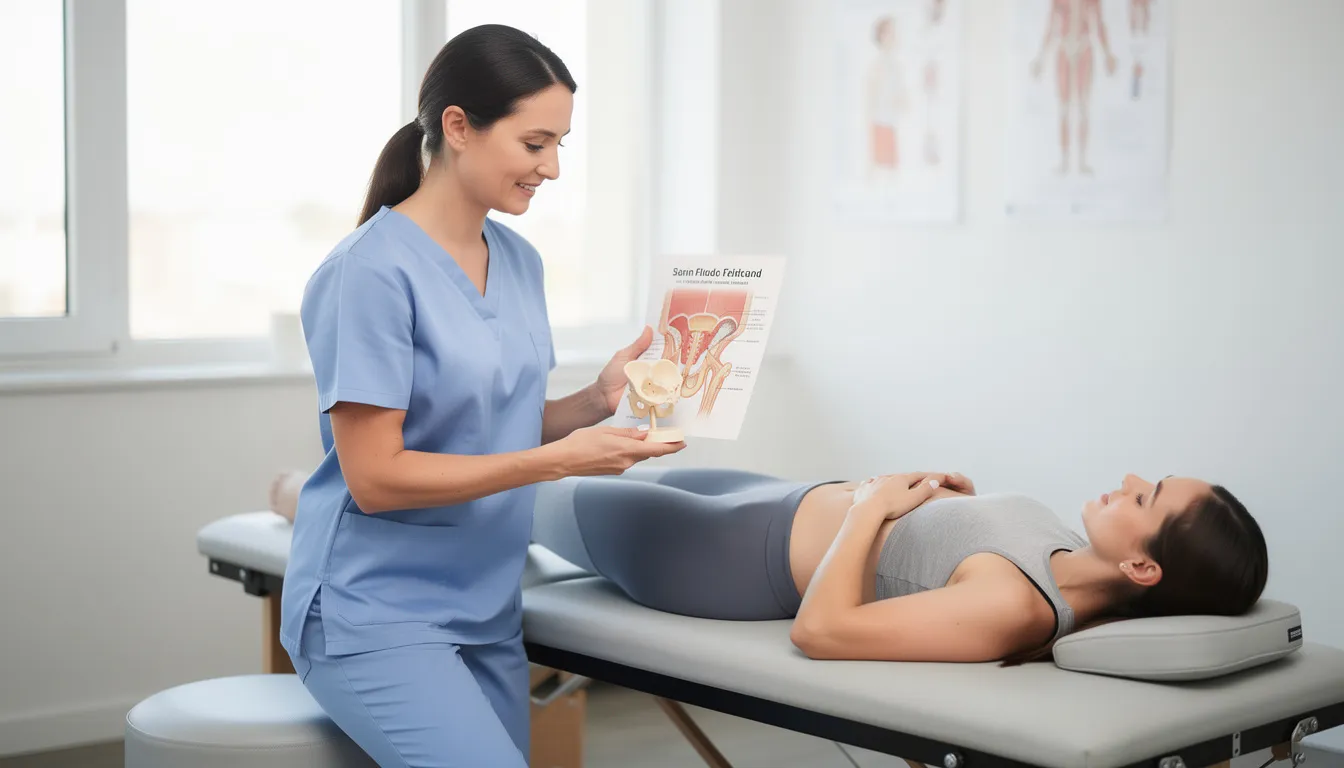
- Pelvic floor physical therapy addresses muscle tension and dysfunction that often accompanies mesh complications. Specialized therapists work on trigger point release, muscle retraining, and pain management techniques. While physical therapy cannot resolve erosion or mesh exposure, it can significantly improve pain from secondary muscle guarding and pelvic floor dysfunction.
- Topical estrogen therapy may benefit women with small mesh exposures (less than 0.5 cm) by improving vaginal tissue health and potentially allowing minor exposures to heal without surgery. This approach works best when exposure is limited and tissue quality is adequate for epithelialization.
- Pain medications include both standard analgesics and nerve pain treatments. Gabapentin and pregabalin address neuropathic pain components common in mesh complications. NSAIDs may reduce inflammation-related symptoms. Opioids are generally avoided for chronic management due to limited efficacy and addiction risks.
- Trigger point injections deliver local anesthetic and sometimes corticosteroids to specific areas of muscle spasm or localized pain. These provide temporary relief and diagnostic information about pain sources.
Surgical Treatment Approaches
- Partial mesh excision removes the symptomatic portion of mesh while leaving asymptomatic sections in place. This approach suits localized erosions or isolated areas of pain when complete removal poses excessive risk. Success rates vary, and some patients require additional procedures.
- Complete mesh removal excises the entire mesh implant when complications are extensive or partial removal has failed. This surgical procedure is technically demanding, particularly when mesh has become integrated with surrounding tissue through fibrosis. Outcomes vary: approximately 50% of patients experience persistent symptoms following revision surgery.
- Tissue repair and reconstruction addresses damage caused by mesh or its removal. Surgeons may need to repair vaginal defects, reconstruct supporting structures, or address organ injuries discovered during mesh removal.
- Referral criteria to specialists: Women with mesh complications benefit from evaluation by female pelvic medicine and reconstructive surgery subspecialists. Referral is indicated for any mesh exposure, persistent voiding dysfunction, chronic pain unresponsive to conservative treatment, or when initial surgery was performed by a different surgeon.
Multicenter studies document that 60% of women with mesh complications require two or more interventions, half of which are surgical. These findings underscore the complexity of managing synthetic mesh complications and the importance of expert surgical management.
Alternatives to Mesh Surgery
For women facing recurrent prolapse or stress incontinence after mesh removal, or those choosing primary treatment without mesh, several evidence-based alternatives exist:
Non-surgical options:
- Pessaries: Silicone devices (rings, donuts, cubes) inserted vaginally to support prolapsed pelvic organs without surgery. Effective for many women and fully reversible
- Pelvic floor physical therapy: Strengthening pelvic muscles through guided exercise programs; effective for mild prolapse and stress incontinence
- Behavioral modifications: Weight loss, avoiding heavy lifting, managing constipation, and smoking cessation reduce prolapse progression
- Bladder training: Scheduled voiding and urgency suppression techniques for urinary incontinence
Surgical alternatives to transvaginal mesh:
- Native tissue repairs: Colporrhaphy using the patient’s own fascia to reinforce vaginal walls. Higher recurrence rates (6-29%) but avoids mesh-related complications
- Sacrocolpopexy: Abdominal or laparoscopic attachment of mesh to the sacrum with lower erosion risk than transvaginal approaches. Remains an option when mesh use is appropriate
- Robotic-assisted laparoscopic repairs: Minimally invasive approaches using advanced visualization and suturing
- Uterosacral or sacrospinous ligament fixation: Vaginal approaches suspending the vaginal apex to native ligaments without synthetic mesh
- Colpocleisis: Obliterative surgery closing the vaginal canal; appropriate for elderly women not sexually active who prioritize symptom resolution over vaginal function
With treatment options outlined, the next section will address legal considerations and patient rights for those affected by mesh complications.
Legal Options and Patient Rights
Why Women Are Pursuing Legal Action
- Defective product claims: Alleging that mesh devices were inherently prone to complications due to material properties, design, or manufacturing. Polypropylene mesh provokes chronic inflammatory responses, shrinks unpredictably, and erodes through tissue at unacceptable rates.
- Failure to warn claims: Asserting that manufacturers knew or should have known about complication risks but failed to adequately inform physicians and patients. Internal documents in litigation have revealed that some companies had concerning safety data prior to market launch.
- Inadequate clinical testing claims: Highlighting that many mesh devices reached market through the FDA’s 510(k) pathway, which allowed approval based on similarity to existing devices rather than independent clinical trials proving safety and efficacy.
- Design defect claims: Arguing that specific product characteristics—mesh weight, pore size, material composition—made complications related to the device inevitable for certain patients.
Potential Compensation Categories
Women who have suffered mesh complications may recover damages across several categories:
- Medical expenses: Costs for revision surgeries, diagnostic testing, physical therapy, medications, and ongoing treatment—both past and anticipated future expenses
- Lost wages: Income lost due to inability to work during treatment and recovery, including diminished earning capacity for those permanently disabled
- Pain and suffering: Compensation for chronic pain endured, reduced quality of life, and daily functional limitations
- Loss of consortium: Damages for impact on marital relationships, including inability to engage in sexual intimacy
- Emotional distress: Compensation for psychological effects including depression, anxiety, and relationship strain
Settlements in mesh litigation have reached billions of dollars collectively, with individual awards varying based on complication severity and case specifics.
How Personal Injury Attorneys Help
- Case evaluation: Determines whether legal claims are viable based on mesh type, complications experienced, treatment history, and applicable statutes of limitations (typically 2-4 years from when complications were discovered or should have been discovered).
- Medical record review and expert coordination: Builds the evidentiary foundation, connecting mesh implantation to subsequent complications through medical documentation and expert witness testimony.
- Negotiation with manufacturers and insurers: Seeks fair settlement without trial. Many mesh cases resolve through negotiated multidistrict litigation settlements that compensate patients while avoiding individual trial risk.
- Litigation support through trial: Provides full representation when settlement cannot be reached at acceptable terms. Some cases proceed to jury verdicts establishing manufacturer liability.
Most mesh litigation attorneys work on contingency (no-win-no-fee basis), meaning patients pay nothing unless they recover compensation.
The next section will help you recognize when to seek immediate medical care for mesh-related complications.
When to Seek Immediate Medical Care
Understanding which symptoms require emergency intervention versus prompt but non-emergent evaluation helps women respond appropriately to developing complications.
Emergency Warning Signs
Seek emergency care immediately for:
- Severe pelvic pain with fever indicating possible infection requiring urgent antibiotic treatment and possible operative management
- Heavy vaginal bleeding from mesh erosion through blood vessels requiring prompt treatment to prevent significant blood loss
- Inability to urinate suggesting bladder obstruction or urinary retention requiring catheterization or surgery
- Severe abdominal pain with nausea suggesting bowel complications including obstruction or perforation—surgical emergencies
Urgent Consultation Indicators
Schedule urgent specialist consultation for:
- New onset pelvic pain more than 6 weeks post-surgery not improving with standard recovery measures
- Persistent vaginal discharge or spotting suggesting developing mesh exposure
- Painful intercourse that prevents sexual activity or significantly impacts relationship quality
- Partner discomfort during intercourse suggesting mesh exposure that may be detected during physical examination
Do not delay evaluation hoping symptoms will resolve spontaneously. Early intervention for mesh complications often produces better outcomes than delayed treatment after complications progress.
The following section will summarize key takeaways and outline next steps for those affected by pelvic pain after mesh surgery.
Conclusion and Next Steps
Pelvic pain after mesh surgery represents a serious complication requiring specialized evaluation and treatment by physicians experienced with synthetic mesh complications. The intersection of complex anatomy, challenging revision surgery, and significant legal implications demands informed decision-making.
Immediate actionable steps:
- Document symptoms systematically including pain characteristics, triggers, and timeline relative to mesh surgery
- Obtain surgical records including operative notes and mesh product identification
- Schedule specialist consultation with a female pelvic medicine and reconstructive surgery subspecialist
- Consider legal consultation to understand options and preserve rights within statute of limitations deadlines
- Connect with patient advocacy organizations for support and additional resources
Related topics worth exploring include specific mesh removal surgical techniques, comparative outcomes of alternative prolapse treatments, and long-term management strategies for chronic pelvic pain following mesh removal.
Additional Resources
FDA Information:
- FDA Safety Communication on Urogynecologic Surgical Mesh
- FDA MedWatch for reporting adverse effects from medical devices
Medical Resources:
- American Urogynecologic Society physician locator for female pelvic medicine specialists
- American College of Obstetricians and Gynecologists Practice Bulletin resources
Patient Advocacy:
- Mesh injury support organizations providing peer support and information sharing
- State-specific patient advocate resources for navigating healthcare systems
Legal Resources:
- State bar associations for referrals to personal injury attorneys experienced in medical device litigation
- Multidistrict litigation information through federal court databases


